



fascia-and-soffit-contractor6342
fascia-and-soffit-contractor6342
See What Eaves Replacement Tricks The Celebs Are Using
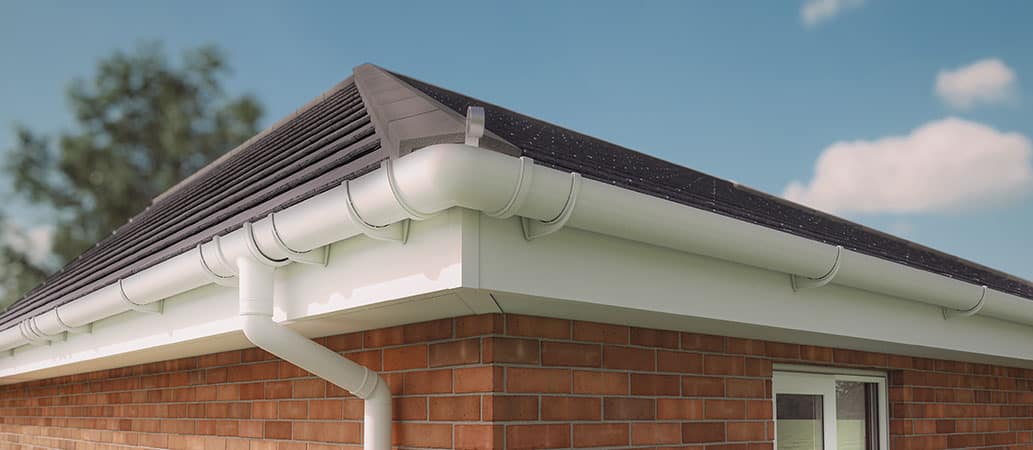
The Complete Guide to Eaves Replacement
Eaves are a vital part of a building’s roofing system. These overhanging edges serve multiple functions, from directing rainwater away from the structure to enhancing the aesthetic appeal of a structure. Nevertheless, like any other structure part, eaves can wear in time due to exposure to the components. This short article will explore the value of eaves, the signs that show a requirement for replacement, the procedure of eaves replacement, and regularly asked questions connected to this subject.
Comprehending Eaves
Eaves are the part of a roofing system that overhangs the walls of a structure. They can be found in numerous architectural designs, and their style often depends on the structure’s general aesthetic. The primary functions of eaves are:
-
Water Management: Eaves help in directing rainwater away from the walls and structure, hence avoiding water damage and erosion.
-
Protection: They shield the structure from direct sunshine, which can help in reducing cooling expenses in warmer environments.
-
Aesthetic Appeal: Eaves contribute considerably to the architectural design and appeal of a building.
Kinds of Eaves
There are primarily 2 kinds of eaves: Open Eaves and Closed Eaves.
-
Open Eaves: These have actually exposed rafters or beams and offer a rustic appearance. They are simple to keep however may require more attention to avoid water damage.
-
Closed Eaves: These are ended up with a soffit and fascia, developing a cleaner appearance. They frequently are better at hiding necessary components, such as ventilation systems.
| Feature | Open Eaves | Closed Eaves |
|---|---|---|
| Visual Appeal | Rustic | Tidy |
| Maintenance Ease | Easier | More Complex |
| Protection Level | Moderate | High |
Indications That Your Eaves Need Replacement
It is critical to check eaves regularly to ensure they remain in excellent condition. Some signs that show a need for eaves replacement consist of:
-
Visible Damage: Cracks, holes, or significant wear are clear signs that your eaves might require replacement.
-
Water Stains: If you see water stains on interior walls or ceilings, it could recommend that water is not being effectively directed away.
-
Drooping or Drooping: Eaves that sag or droop might suggest structural failure or heavy water accumulation.
-
Rotting Wood: Wood eaves are prone to rot. If the wood feels soft or reveals indications of decay, replacement is needed.
-
Insect Infestation: Evidence of insects like ants or termites can be an indication of instability in the eaves and thus a need for replacement.
The Eaves Replacement Process
Changing eaves can be a labor-intensive task, typically needing professional assistance. Below is a detailed process of how eaves are generally changed:
-
Assessment: Identify damage and determine the kind of eaves that require to be replaced.
-
Removal: Carefully remove the existing eaves. This may include cutting nails or screws and making sure that contributing structures are not damaged.
-
Preparation: Inspect and repair any damage to the underlying structures, such as fascia boards.
-
Installation: Install the new eaves. This involves attaching them firmly to make sure avoid future issues.
-
Completing Touches: After installation, painting or sealing the eaves may be essential to safeguard versus the aspects.
-
Evaluation: Carry out a last assessment to ensure that whatever has been set up properly which there are no leakages.
Maintenance Tips for Eaves
Once the new eaves are installed, it is necessary to keep them well-maintained. Here are some tips:
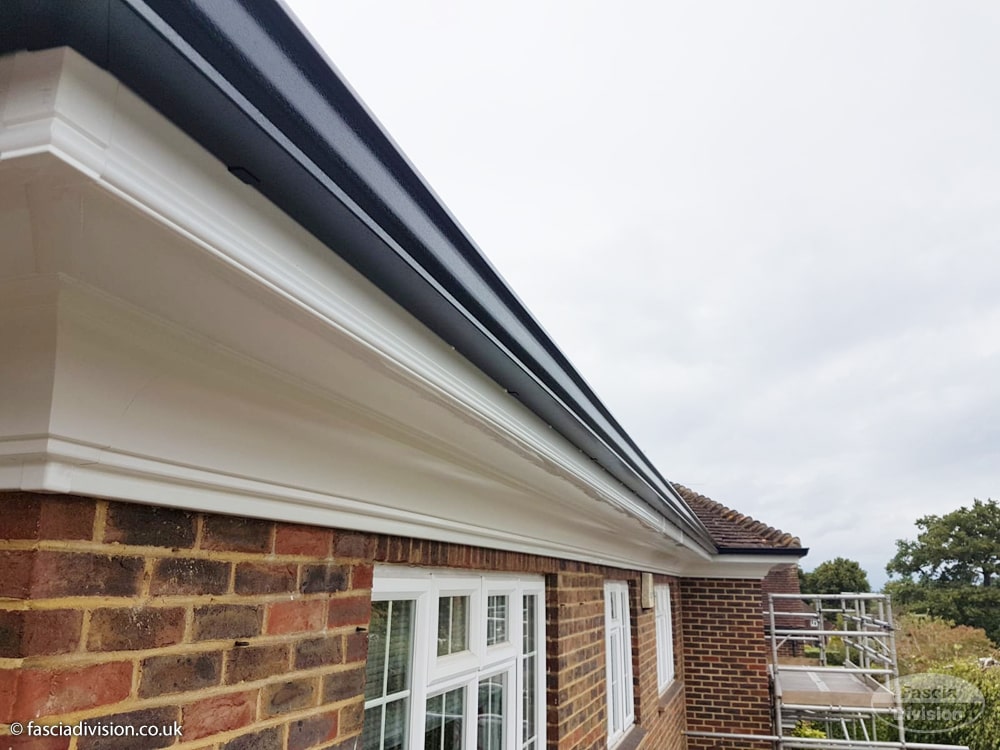
- Regularly tidy seamless gutters to avoid blockages.
- Inspect eaves after heavy storms for any damage.
- Paint or seal wood eaves every 3-5 years to avoid rot.
FAQs About Eaves Replacement
Q1: How long does it generally take to change eaves?A: The period depends on the size of the task and complexity however can vary from a few hours to a couple of days.
Q2: Can I replace eaves myself?A: DIY replacement is possible for those with the right skills and tools. However, employing professionals is recommended for safety and performance, specifically for intricate structures. Q3: What products are commonly used for eaves?A: Eaves can
be made from different products, consisting of wood, vinyl,
aluminum, and fiber cement. The option often depends upon the structure’s design and environmental conditions. Q4: How much does eaves replacement typically cost?A: Costs vary significantly based upon place, materials picked, and labor charges, generally varying
from ₤ 100 to ₤ 300 per linear foot for installation. Q5: Can I alter the style of my eaves?A: Yes, eaves can be replaced with a various design during the replacement process, enabling homeowners to enhance their structure’s aesthetic appeals. Eaves play an essential role in safeguarding a structure and improving its look. Regular evaluations and timely replacements are important to preserve both performance and aesthetics. While Eaves Replacement (please click the following internet site) can be a challenging task, comprehending the procedure and understanding when to act can make it more workable. Interested house owners should seek advice from professionals to guarantee an effective replacement process tailored to their particular needs.